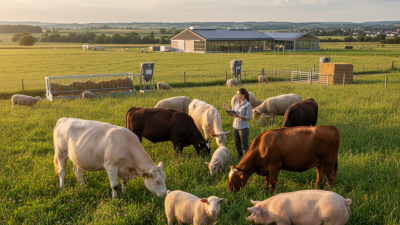
Livestock nutrition is entering 2026 with more pressure and more practical possibilities. Feed costs remain unpredictable, while producers face demands for healthier animals, lower emissions, and clearer sourcing. A ration that looks efficient on paper may fail during heat stress, transport, or sudden forage changes. Real farm conditions still matter.
Precision feeding will likely gain attention through sensors, automated feeders, and better individual animal records. These tools can adjust protein, energy, minerals, and water access with greater accuracy. However, technology cannot replace experienced nutritionists, veterinarians, or careful observation. A farmer still notices reduced chewing, uneven manure, or a full trough before software explains the problem. That sounds simple. It is not.
Gut health will remain a major focus, especially through fiber management, yeast products, probiotics, and targeted minerals. Alternative feed ingredients may also expand, including insect meals, algae, crop by-products, and regionally available proteins. Their value depends on safety, consistency, digestibility, and cost. Strong claims need independent trials, not attractive marketing.
Sustainability will influence feed decisions more directly. Producers may compare methane-reduction additives, nitrogen efficiency, feed conversion, and land use. Yet emissions calculations can vary between farms and measurement systems. This uncertainty deserves honest discussion. The best 2026 strategies will combine laboratory evidence with field experience, animal welfare, and transparent records. They will also recognize that one universal ration cannot serve every breed, climate, or production goal.
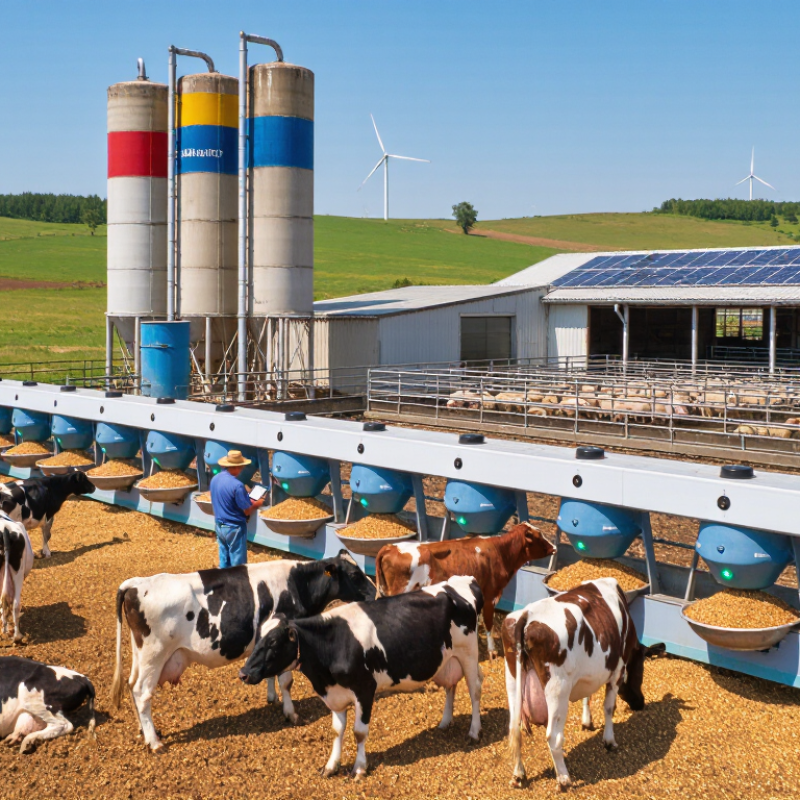
Precision nutrition is moving from a laboratory concept to daily farm management. It matches energy, protein, amino acids, minerals, and vitamins with each animal group’s needs. Sensors can track body weight, feed intake, milk yield, and activity. Near-infrared analysis can also estimate feed quality within minutes. Small errors matter. A changing forage batch may quietly reduce growth or milk efficiency.
The need is substantial. The Alltech Agri-Food Outlook 2024 estimated global feed production at 1.126 billion metric tons in 2023. Even minor efficiency gains could influence large volumes of feed. The FAO’s 2023 Pathways Towards Lower Emissions report estimated livestock agrifood systems produce about 6.2 gigatonnes of carbon dioxide equivalent annually. Better nutrient matching may reduce nitrogen waste and unnecessary resource use, although results depend on housing, genetics, climate, and management.
In 2026, phase feeding will likely receive more attention. Young animals, lactating animals, and finishing groups should not receive identical diets. Digital ration tools can adjust formulations as conditions change. However, precision requires reliable data and trained staff. Data can mislead. A sensor may record intake, but not explain illness, poor water access, or social stress. Farms should validate recommendations against feed tests, animal performance, manure consistency, and veterinary observations. The technology is promising, but a perfect algorithm cannot repair imperfect measurements.
(Sources: FAO, Pathways Towards Lower Emissions, 2023; Alltech, Agri-Food Outlook 2024)
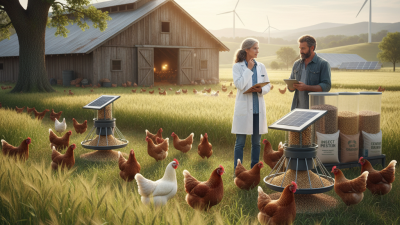
In 2026, livestock nutrition is moving beyond conventional grain and soybean routines. Alternative ingredients are becoming practical tools, not novelty products. Farms are testing insect meal, algae, fermentation by-products, single-cell proteins, and food-processing residues. Each option must earn its place through digestibility, nutrient consistency, safety, and cost. A low-carbon claim means little if moisture varies widely or transport emissions rise. On-farm trials often reveal this gap. A promising ingredient may perform well in a laboratory, then disappoint under heat stress or changing forage quality.
Circular feed production keeps nutrients in use for longer. Brewers’ grains, fruit pomace, oilseed cakes, and vegetable trimmings can return to diets when properly assessed. Producers need documented sourcing, contaminant screening, storage controls, and clear inclusion limits. My practical lesson is simple: reliable records matter as much as clever formulations. Track dry matter, protein, fiber, minerals, intake, manure consistency, and animal performance. Work with a qualified nutritionist and an accredited laboratory when risks are uncertain. Not every waste stream deserves a second life. Some are too variable. Others need processing that removes the environmental benefit.
Tips: Begin with a small, controlled batch. Compare it with the current ration, not memory. Test representative samples regularly. Watch feed temperature, odors, sorting, and water intake. Keep a fallback ingredient available. Circular systems can reduce waste, but they still need humility, measurement, and room to change.
In 2026, livestock nutrition is moving beyond simple growth targets. Gut health is becoming a daily management priority. A stable gut can support feed efficiency, immune function, and more consistent manure quality. Farmers are watching feed intake, stool texture, water use, and weight gain together. These details often reveal problems earlier than laboratory results.
Probiotics may help maintain a balanced intestinal environment, especially during transport, weaning, or diet changes. Their effects can vary between animals, farms, and storage conditions. That matters. A product that performs well in one trial may disappoint elsewhere. Nutrition specialists should review strain identity, inclusion rates, viability, and independent research before recommending use. Results need regular measurement, not hopeful assumptions.
Functional feed additives are also gaining attention. Enzymes, organic acids, yeast-derived ingredients, and selected plant compounds may support digestion or reduce nutritional stress. Their value depends on feed quality, animal age, housing, and disease pressure. I have seen well-designed feeding plans fail when water lines were dirty or mixing was uneven. The additive was blamed first. The system deserved more scrutiny. Reliable programs combine veterinary guidance, farm records, laboratory testing, and local feed regulations. Small changes can matter.
What Are the Top Livestock Nutrition Trends for 2026?
Low-Emission Diets and Sustainable Livestock Nutrition
Livestock nutrition in 2026 is moving beyond faster growth. Farmers are measuring emissions per kilogram of milk, meat, or eggs. A practical ration may combine forage quality, balanced protein, and locally available by-products. Better fiber digestibility can support animal performance while reducing wasted nutrients.
Methane reduction deserves careful attention in ruminants. Small changes in feed intake can influence emissions, manure nitrogen, and feed costs. Formulated diets may use approved methane-reducing ingredients, but results depend on animal type, climate, and feeding practice. Regular feed testing matters. A wet silage sample can quietly change the whole ration.
Sustainability also requires restraint. Lower methane does not automatically mean lower total impact. Imported ingredients may carry transport, land-use, or water burdens. Farms should track feed conversion, health, fertility, manure losses, and productivity together. The cheapest protein source is not always the most responsible choice. Data can be incomplete. Models can disagree. That uncertainty should be reported rather than hidden. Nutritionists and farmers need to review results seasonally, adjust slowly, and protect rumen function, welfare, and reliable production.
| Nutrition trend | Primary livestock sector | Reported environmental effect | Key nutrition mechanism | 2026 implementation indicator | Evidence and practical considerations |
|---|---|---|---|---|---|
| Methane-reducing feed additives | Dairy and beef cattle | Approximately 20–40% lower enteric methane has been reported for some 3-nitrooxypropanol diets in controlled dairy studies. | The additive inhibits methyl-coenzyme M reductase, an enzyme used by rumen methanogens during methane formation. | Track methane yield in grams per kilogram of dry-matter intake, milk yield, feed intake, and animal health. | Results vary with dose, ration composition, intake, and production system. Regulatory approval and reliable on-farm measurement remain essential. |
| Improved forage quality and digestibility | Cattle, sheep, and goats | Higher digestibility can reduce methane intensity by improving animal performance and reducing the time required to produce a unit of milk or meat. | More digestible fiber and appropriate forage maturity increase energy availability and may shift rumen fermentation toward propionate. | Measure neutral detergent fiber digestibility, dry-matter intake, average daily gain, feed conversion, and milk yield per unit of feed. | The effect depends on forage species, harvest maturity, preservation quality, climate, and the balance between forage and concentrate. |
| Precision protein and amino-acid nutrition | Dairy cattle, pigs, and poultry | Lowering excess dietary crude protein can reduce nitrogen excretion and ammonia losses without reducing performance when amino-acid supply is balanced. | The diet is formulated closer to the animal’s digestible amino-acid requirement rather than supplying a large safety margin of crude protein. | Monitor crude-protein percentage, standardized ileal digestible amino acids, nitrogen-use efficiency, growth, and production output. | The environmental benefit is highly dependent on ingredient digestibility, manure handling, animal age, and accurate feed formulation. |
| Phosphorus efficiency and phytase use | Pigs and poultry | Phytase and digestible-phosphorus formulation can reduce phosphorus excretion, helping limit eutrophication risks in vulnerable watersheds. | Phytase releases phosphorus bound in plant phytate, improving phosphorus availability and reducing the need for inorganic phosphorus supplementation. | Track available or digestible phosphorus, phytate phosphorus, bone health, feed conversion, and manure phosphorus concentration. | Dose response depends on feed ingredients, enzyme stability, calcium balance, and the nutrient matrix used in formulation. |
| Dietary lipids for methane control | Ruminants | Moderate additions of suitable dietary fat can reduce enteric methane, although the response is generally dose-dependent. | Fat can reduce fermentable carbohydrate available to methanogens and may directly inhibit some rumen microbes. | Monitor total-fat concentration, milk-fat percentage, fiber digestion, methane yield, and production performance. | Excessive fat can depress fiber digestion and feed intake. The diet must remain within species- and production-specific fat limits. |
| Nitrate-based methane mitigation | Cattle and other ruminants | Research commonly reports methane reductions in the approximate range of 10–20%, depending on inclusion rate and diet. | Nitrate acts as an alternative hydrogen sink during rumen fermentation, reducing hydrogen available for methane formation. | Measure nitrate inclusion, methemoglobin risk controls, sulfur balance, methane yield, and animal performance. | Nitrate must be introduced gradually and mixed uniformly. Poor management can create animal-safety risks, so professional ration control is required. |
| Circular and regional feed ingredients | All livestock species | Using safe crop co-products and food-processing by-products can reduce dependence on dedicated feed crops and may lower transport-related emissions. | Nutrients already present in regional biomass are recovered as feed rather than discarded, provided quality and safety are controlled. | Record dry matter, digestible energy, amino acids, mycotoxins, contaminants, transport distance, and inclusion rate. | Environmental performance is not automatically lower; life-cycle results depend on allocation method, processing energy, storage, and alternative uses of the co-product. |
| Insect and microbial protein ingredients | Poultry, pigs, and aquaculture | Potentially lower land use and reduced reliance on conventional protein crops, subject to production energy and substrate choices. | These ingredients provide concentrated protein and amino acids that can replace part of conventional protein sources in balanced diets. | Evaluate digestible amino-acid profile, chitin or nucleic-acid levels, feed safety, energy use, and life-cycle emissions per kilogram of protein. | There is no universal emissions value. Results differ substantially according to substrate, drying method, electricity source, and allocation approach. |
| Digital precision feeding and real-time ration adjustment | Dairy, swine, poultry, and feedlots | Reducing feed waste and nutrient oversupply can lower emissions per unit of animal product. | Frequent adjustment of energy, protein, fiber, and mineral supply aligns diets more closely with animal requirements and production stage. | Monitor feed refusal, feed conversion ratio, nutrient density, body weight, production stage, and ration deviations. | Accurate sensors, representative feed sampling, calibration, and trained personnel are necessary to produce reliable environmental gains. |
| Life-cycle assessment of feed ingredients | All livestock species | Climate impact is increasingly assessed as kilograms of CO2-equivalent per kilogram of milk, meat, eggs, or live weight rather than by feed ingredient alone. | The assessment combines feed production, land use, processing, transport, enteric methane, manure, and farm productivity. | Report feed carbon footprint, enteric methane, manure emissions, land-use assumptions, allocation method, and emissions intensity of the final product. | Comparisons are meaningful only when system boundaries, functional units, geographic scope, and data quality are consistent. |
In 2026, livestock nutrition is moving from fixed rations toward responsive feeding systems. Sensors can track feed intake, rumination, body weight, and water use. Managers can then adjust energy, protein, and mineral levels with greater precision. A practical example is a dairy barn where declining rumination triggers a ration review before milk yield falls.
Small changes matter.
Reliable systems need clean data. Staff should calibrate scales, check sensor readings, and record feed moisture regularly. Laboratory analysis remains essential because digital estimates cannot replace tested forage samples. I have seen feeding decisions improve after teams compared software alerts with pen observations. The animal still has the final answer.
Sometimes, the numbers are wrong.
Future industry standards will likely require traceable ingredients, documented nutrient targets, and clearer feed-efficiency measurements. Standards may also address methane intensity, nitrogen losses, animal welfare, and responsible mineral use. These measures should remain practical for farms of different sizes. Otherwise, compliance becomes paperwork rather than progress.
That risk is real.
Nutrition professionals will need stronger data interpretation skills, not only formulation expertise. They must explain uncertainty, protect records, and validate changes through controlled trials. A useful trial might compare two rations across similar groups for three weeks. Intake, health events, and performance should be tracked. Results deserve review with veterinarians and independent laboratories.
No dashboard can replace judgment.