Selecting the right game bird feed is crucial for the health and vitality of birds. Optimal nutrition ensures they grow strong and thrive. Many different feed options are available, each tailored for specific species and needs. The nutritional requirements of game birds can vary widely, from protein content to essential vitamins and minerals.
In China, the market offers numerous choices for game bird feed. However, not all options may provide the same benefits. It’s essential to consider the ingredients and their sources. Quality matters significantly in bird nutrition. Poor feed can lead to health issues and affect overall performance.
Bird owners must also be aware of the importance of variety in their feed choices. Offering a mix of feeds can help meet diverse dietary needs. This practice can prevent nutritional deficiencies. Thoughtful selection helps ensure birds remain healthy and active. Improving knowledge about these feed options is a step toward better bird care.
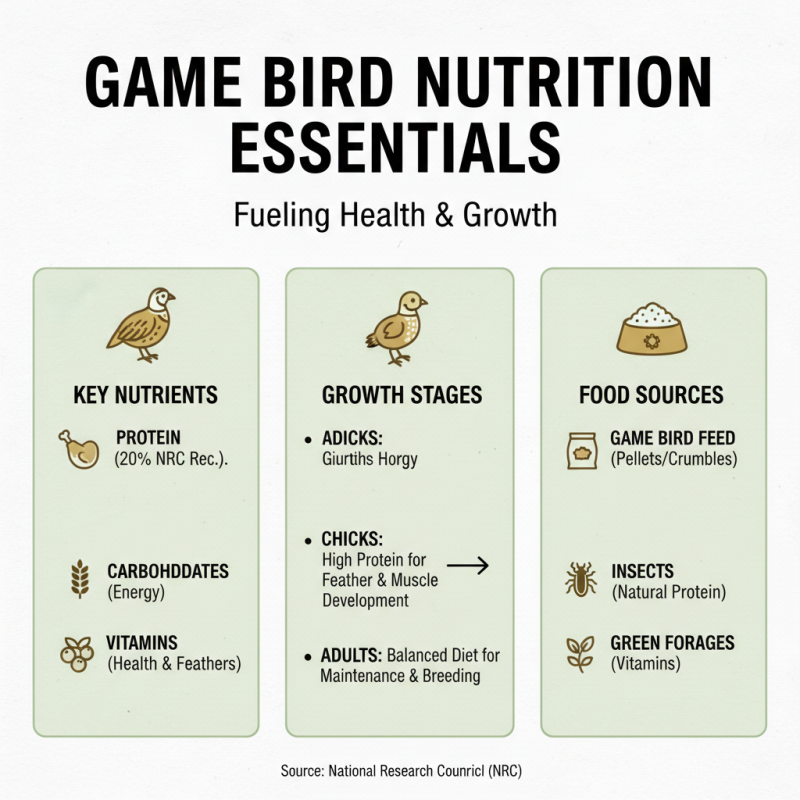
Understanding the nutritional needs of game birds is crucial for their health. Game birds, such as quails and pheasants, require a balanced diet rich in protein, carbohydrates, and vitamins. According to the National Research Council (NRC), game birds need at least 20% protein in their diets, particularly during their growth phases. This protein is essential for feather development and muscle growth.
Many game birds face nutritional deficiencies. Lack of calcium can lead to weakened bones and poor egg production. The USDA emphasizes the importance of calcium for laying hens and similar species. Vitamins like A, D, and E play significant roles as well. For instance, Vitamin A enhances vision and immune function, while vitamin D is crucial for calcium absorption.
Inappropriate feeding practices could result in health issues. Some game bird owners may overlook the balanced ratio of fats to proteins. As a result, birds can become lethargic or overly aggressive. To avoid these problems, regular assessments of dietary ingredients are necessary. Implementing gradual changes can help birds adjust to new feed efficiently. Understanding these fundamentals helps ensure that birds thrive in their environment.
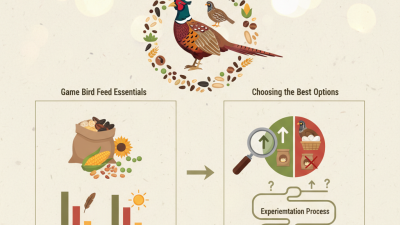
When it comes to the optimal health of game birds, the choice of feed ingredients plays a pivotal role. Game birds require a well-balanced diet that supports their growth and vitality. Key ingredients should include protein sources like insects and animal meal. These components are critical for muscle development and overall health.
Additionally, grains like corn and wheat provide essential carbohydrates. These ingredients are energy-rich and help maintain active lifestyles. It's also vital to incorporate sources of vitamins and minerals. Natural options like leafy greens can improve the nutritional profile of the feed. However, it is important to ensure these items are fresh and free from contaminants.
In striving for the best nutrition, a reflection on the balance and variety of these ingredients can reveal areas for improvement. Are all necessary vitamins included? Are the proportions right? Game bird nutrition is not just about filling their stomachs. It's about building a strong foundation for their lives and ensuring their well-being.
When choosing game bird feed, there are essential considerations to keep in mind. Commercial feeds are easily accessible and formulated for different species. They offer balanced nutrition, ensuring that your birds get essential vitamins and minerals. However, these feeds can sometimes be expensive and contain additives that might not suit every bird's needs.
Homemade feed provides flexibility. You can tailor it to your birds’ specific dietary requirements. This approach often includes whole grains, seeds, and vegetables. Mixing your own feed allows for experimentation and better understanding of what works best. However, it requires time and knowledge to ensure proper nutrition.
**Tips for Homemade Game Bird Feed**: Consider including ingredients such as millet, corn, and peas. Monitor how your birds respond to changes. Remember, a balanced diet is crucial for optimal health. When using commercial options, always check ingredient sources. Nutritional content can vary greatly between brands. Adjustments may be necessary based on your birds' activity levels and specific health needs. Regularly review your feed choices to ensure your birds thrive.
| Feed Type | Main Ingredients | Nutritional Benefits | Preparation Time | Cost per kg (CNY) |
|---|---|---|---|---|
| Commercial Pellets | Corn, Soybean meal, Vitamins | Balanced nutrition, easy digestion | N/A | 8 |
| Homemade Grain Mix | Barley, Wheat, Oats | High fiber content, promotes gut health | 2 hours | 5 |
| Seed Mix | Sunflower seeds, Millet, Peas | High energy, attracts birds | N/A | 10 |
| Commercial Medicinal Feed | Herbs, Probiotics, Vitamins | Boosts immunity, enhances health | N/A | 12 |
| Vegetable Scraps | Carrots, Peas, Leafy greens | Rich in vitamins, low cost | 1 hour | 3 |
| Homemade High-Protein Feed | Fish meal, Alfalfa, Corn | Supports muscle growth, overall health | 3 hours | 6 |
| Commercial Layer Feed | Calcium, Phosphorus, Soy | Improves egg production, healthy shells | N/A | 9 |
| Commercial Starter Feed | Protein, Vitamins, Grains | Optimal growth, essential nutrients for chicks | N/A | 11 |
| Flock Block | Grains, Seeds, Minerals | Encourages foraging, adds minerals | N/A | 15 |
| Fermented Feed | Grains, Water, Probiotics | Enhances digestion, nutrient absorption | 24 hours | 5 |
Creating a balanced diet for game birds requires careful consideration of their nutritional needs. Game birds, such as quails and pheasants, thrive on diverse nutrients. A mix of proteins, vitamins, and minerals is essential. Grains, seeds, and insects provide the necessary energy and protein. For instance, combining corn with millet can support growth.
Water is also critical for digestion and overall health. Ensure clean, fresh water is available at all times. Failing to provide adequate hydration can lead to issues like poor feather quality. It's crucial to observe the birds closely. If they seem less active or exhibit weight loss, it may signal a deficiency in their diet. Regularly reassessing their food choices helps maintain their health.
Lastly, consider seasonal changes. Birds have different dietary needs in summer and winter. In colder months, increase high-energy foods. On the other hand, offer more greens during warmer months. Adapting their diet is essential for optimal health. Ensure to monitor their response to changes. Some birds may adapt quickly, while others may need time.
Selecting the right feed for game birds is crucial for their health and productivity. Different species have unique nutritional needs. For example, pheasants require a diet high in protein during their growing phase. Research by the American Gamebird Association indicates a protein level of 24% is optimal for young birds.
Quail, on the other hand, thrive on a balance of protein and carbohydrates. A diet containing 16% protein along with whole grains supports their development and egg production. Proper feeding strategies can significantly impact growth rates and overall health. According to the National Wildlife Federation, undernourished birds often face increased mortality rates, underscoring the importance of tailored nutrition.
Waterfowl, including ducks, need specialized diets rich in fats and vitamins. A study published in the Journal of Wildlife Management highlights that these birds benefit from high-energy feeds during winter months. Yet, many game bird enthusiasts overlook the need for dietary adjustments seasonally. Reflecting on feeding practices is essential, as neglect may lead to suboptimal conditions for the birds. Each species presents distinct challenges, making it vital to research and adapt feeding strategies accordingly.