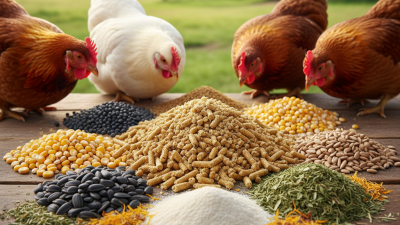
Buying livestock feed across borders is not simply a price comparison. It is a quality, logistics, and risk-management decision that can affect animal health and farm profitability.
Dr. Harinder P.S. Makkar, an animal nutrition specialist associated with the FAO, has stated, “Feed is the single largest input in livestock production.” That observation gives global buyers a practical starting point. A lower quotation may become expensive when moisture, nutrient variation, port delays, or rejected cargo enter the calculation. A reliable buyer checks the complete specification, not only the protein percentage.
This guide presents ten livestock feed buying tips for international purchasers. It examines supplier experience, ingredient origin, laboratory testing, mycotoxin controls, storage conditions, labeling, certifications, and shipment planning. Buyers should request recent certificates of analysis and compare results with independent laboratory testing when possible. A warm, humid warehouse can change feed quality quickly. Small details matter.
Ask clear questions.
Also, not every certified supplier is equally suitable for every market. Formulation needs vary by species, age, climate, and production goal. Transport costs can change the final price more than expected. Sustainability claims may also require closer verification.
No checklist is perfect. Still, a disciplined process reduces avoidable surprises. By combining technical review with real supplier communication, global buyers can choose livestock feed that supports consistent performance, responsible sourcing, and dependable long-term supply.
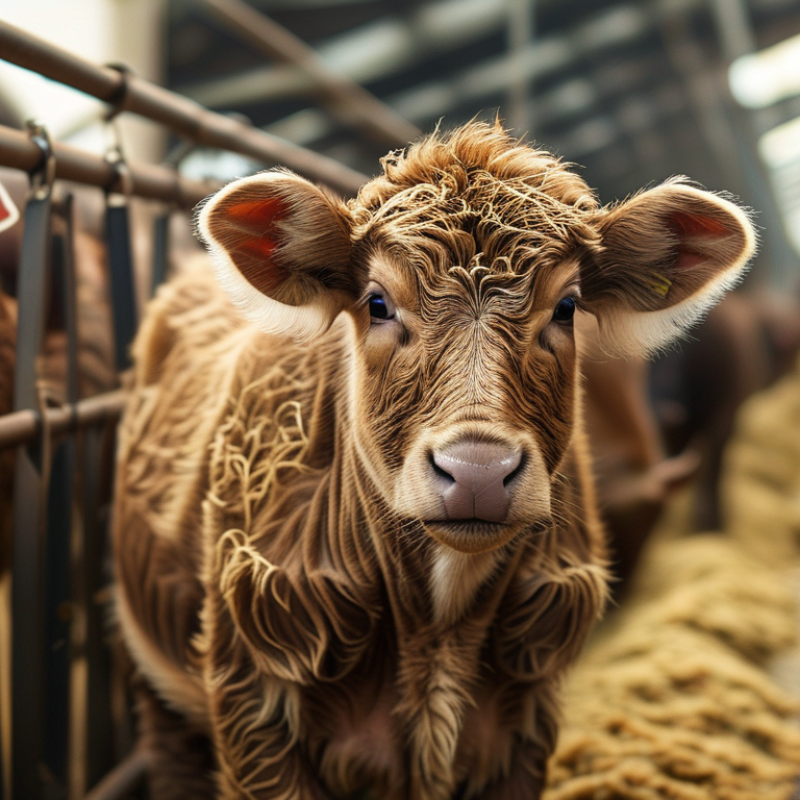
Defining feed requirements is the safest starting point for global livestock buyers. A practical specification should name the animal species, age, production stage, target weight gain, and feeding environment. Dairy calves, broilers, and breeding goats need different energy, protein, fiber, mineral, and vitamin profiles. State moisture limits too. Excess water can reduce nutrient value and increase storage risk. Include acceptable ingredient sources, contaminant limits, pellet size, and packaging details. Keep targets measurable, not vague. “High quality” means little without numbers.
Tips: Ask a qualified nutritionist to convert farm goals into a written nutrient table. Request laboratory methods beside every promised value. A protein result without its testing method is difficult to compare.
Quality standards should cover both the product and the supply process. Require batch identification, production dates, certificates of analysis, and traceability to ingredient lots. Set limits for mold, mycotoxins, heavy metals, pathogens, foreign materials, and pesticide residues according to the destination market. Independent testing helps, especially after long transport. Inspect bags for tears, dampness, caking, or unusual odors. Small clues matter.
Tip: Keep a retained sample from each shipment. Compare its color, smell, texture, and laboratory results with the agreed specification.
Specifications can fail when copied from another farm. Local forage, water quality, climate, and storage conditions change actual performance. A feed may meet the paper standard yet perform poorly in a humid warehouse. Record complaints, animal response, intake, and feed conversion. Review the requirements when evidence changes. Perfect specifications are rarely finished.
Tip 1: Check the supplier’s operating history, ownership details, and export experience. Request recent customer references from comparable livestock operations.
Tip 2: Inspect the production site through a verified audit or live video review. Look for clean storage floors, sealed silos, pest controls, and clear batch markings.
Tip 3: Ask for production capacity by month, not only annual volume. A large yearly figure may hide seasonal shortages or maintenance shutdowns.
Tip 4: Verify certifications through the issuing organization. Check the certificate number, expiration date, approved products, and factory location. A certificate alone proves little without the correct scope.
Tip 5: Request recent laboratory reports for moisture, protein, microbial levels, and relevant contaminants. Confirm that testing methods and sampling dates are visible.
Tip 6: Review traceability records from raw material intake to final loading. One missing batch code can delay a recall investigation.
Tip 7: Compare normal lead times with emergency capacity. Ask how the supplier handles port delays, power failures, or a sudden feed demand increase.
Tip 8: Confirm packaging strength, container loading practices, and protection from humidity. Damaged bags create waste before the feed reaches the farm.
Tip 9: Evaluate quality consistency across three or more batches. I once trusted one excellent sample too quickly; that judgment needed more evidence.
Tip 10: Put specifications, inspection rights, rejection terms, and delivery tolerances in writing. Friendly conversations are useful, but written details protect both parties.
Global livestock feed buyers should compare landed cost, not only the quoted price. A low offer may hide higher freight, insurance, inspection, or port charges. Convert every quotation to the same currency and metric-ton basis. Check protein, moisture, fiber, energy value, and additive levels. Different specifications can make two “equal” products very different.
Keep it practical. Request three comparable quotations. Then calculate the delivered cost to your warehouse. Under FOB, the seller loads the goods, while the buyer usually manages main freight and insurance. Under CIF, the seller arranges freight and insurance to the named port, but risk generally transfers after shipment. DAP can simplify delivery planning, although import clearance responsibilities still need careful review. Incoterms do not replace a complete sales contract.
Contracts should state quality tolerances, sampling methods, loading dates, packaging, payment milestones, and claims procedures. An independent inspection at loading can reduce disputes. Currency clauses may protect both parties when exchange rates move sharply. Check whether demurrage, storage, and customs costs are assigned clearly. Small wording matters.
I have seen buyers focus too heavily on the headline price. That mistake is easy. A cheaper cargo can become expensive after delays or rejected quality. Review supplier records, laboratory certificates, and shipment performance before signing. Keep a written comparison sheet, even when the market feels urgent. My own calculations are not perfect, especially when freight changes weekly. Recheck them before approval.
Global livestock feed buying starts with evidence, not attractive labels. Ask suppliers for a current certificate of analysis, ingredient list, batch number, production date, and test results. In my experience, matching batch numbers across documents catches simple but costly errors. Check moisture, mold risk, contaminants, additives, species suitability, and remaining shelf life. A clean-looking feed may still fail laboratory testing. Request independent testing for valuable shipments or unfamiliar suppliers. Keep reference samples sealed.
Inspect every bag, liner, seal, pallet, and container before loading. Look for torn corners, damp marks, insects, crushed cartons, or powder leakage. Packaging must withstand stacking, handling, and long sea transport. Labels should show product identity, net weight, batch details, storage instructions, and handling warnings. I once treated a faded label as minor. It delayed receiving checks. That was avoidable. Loading photos provide useful evidence, but they cannot replace physical inspection.
Confirm that storage areas are dry, ventilated, clean, and raised above the floor. Keep feed away from chemicals, direct sunlight, and strong odors. Review humidity records and stock rotation practices. Shipping checks should include container cleanliness, loading dates, pest control, seal numbers, and destination documentation. Allow time for port delays because shelf life can disappear during waiting. On arrival, inspect pallets, record visible conditions, and quarantine questionable bags. Some procedures still need improvement. Review failures honestly, then adjust sampling frequency, supplier questions, and transport terms.
Manage Imports, Delivery Risks, and Supplier Performance
Global feed purchasing is not only a price exercise. In procurement reviews, I check product specifications, origin documents, loading records, and the supplier’s history of late deliveries. The 2024 Global Feed Survey estimated worldwide feed production at about 1.126 billion tonnes in 2023. That scale makes small quality failures expensive. Define moisture, protein, fiber, contamination limits, packaging, and shelf life before requesting quotations. Request recent certificates of analysis, independent laboratory results, and traceability records. Do not accept vague descriptions such as “standard feed grade.”
Delivery risk needs its own calculation. The USDA Foreign Agricultural Service projected global corn trade above 180 million metric tonnes for 2024/25 in its Grain: World Markets and Trade report. Heavy trade flows can tighten vessels, ports, and inland transport. Compare suppliers using total landed cost, not the invoice alone. Add realistic buffers for harvest delays, port congestion, customs inspections, and weather. Confirm Incoterms, insurance responsibility, demurrage exposure, and document deadlines in writing. A spreadsheet can still lie.
Measure supplier performance monthly. Track on-time delivery, rejected lots, claims resolution time, moisture variance, and document accuracy. Use pre-shipment inspections for new suppliers, then reduce inspection frequency only after stable results. Keep a backup source approved before disruption occurs. The FAO Food Outlook highlights continuing volatility in global cereal markets, so relying on one route is a weak control. I would also review payment terms carefully; cheap credit cannot repair spoiled cargo. Supplier scorecards help, but human judgment still matters when evidence is incomplete.