Why is Sheep Feed Important for Livestock Health and Growth?
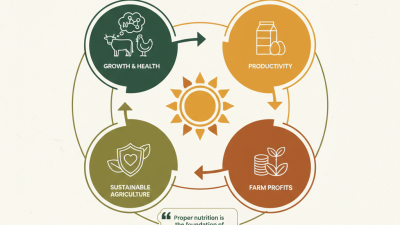
In the livestock industry, sheep feed holds a crucial role. Dr. John Shepherd, a leading expert in animal nutrition, once stated, "Quality feed is the backbone of sheep health." This emphasizes the vital connection between appropriate nutrition and overall well-being. Proper sheep feed not only affects growth rates but also boosts the immune system, enabling sheep to resist diseases better.
Moreover, the choice of sheep feed can influence wool production and meat quality. A balanced diet ensures optimal growth and enhances productivity. Unfortunately, many farmers overlook these details. They may choose cheaper feed options without considering the long-term impacts on their flock. This oversight can lead to lower yields and increased veterinary costs.
Reflecting on these common mistakes is essential for improving livestock management. Investing in quality sheep feed often pays off in healthier animals. Ultimately, the right feed promotes both animal welfare and farm success. Sheep feed is foundational, and its importance cannot be understated.
Overview of Sheep Feed and Its Components
Sheep feed plays a critical role in livestock health. It provides essential nutrients for growth, maintenance, and reproduction. The main components of sheep feed include forage nutrients, grains, and mineral supplements. Each component contributes to a balanced diet.
Forage nutrients, like hay and pasture, are primary energy sources. They aid digestion and promote gut health. Grains such as barley or oats can supplement energy but should be introduced gradually. Too much grain can cause digestive issues. Mineral supplements help prevent deficiencies. Calcium and phosphorus are vital for bone development.
Many farmers overlook the importance of quality feed. Poor-quality feed can stunt growth in young lambs. Additionally, improper feed combinations might lead to health problems. It’s critical to monitor sheep appetite and health regularly. Adjustments to their diet may be necessary to ensure optimal growth. Remember, what they eat shapes their future.
Importance of Sheep Feed Components for Livestock Health and Growth
Nutritional Requirements of Sheep for Optimal Health
Nutritional requirements of sheep are crucial for their health. Sheep need a balanced diet. This diet should include carbohydrates, proteins, vitamins, and minerals. Each nutrient plays a vital role in their growth and development. For instance, proteins are essential for muscle growth. Vitamins help boost their immune system. Minerals support bone health.
When formulating sheep feed, factors like age and weight matter. Young lambs require more protein for growth. Mature sheep may focus more on maintaining body condition. However, finding the right balance isn’t easy. Overfeeding or underfeeding can lead to health issues. Some shepherds might overlook the importance of fiber. A diet lacking in fiber can cause digestive problems.
Monitoring the sheep’s body condition is also necessary. Observing sheep can reveal if they are getting adequate nutrition. If they appear lethargic or have poor coat quality, adjustments might be needed. Remember, every sheep is different. Tailoring feed based on individual needs can sometimes be challenging. Yet, it is essential for their overall well-being and productivity.
Impact of Quality Sheep Feed on Growth and Development
Quality sheep feed plays a crucial role in the growth and development of livestock. According to a report by the Food and Agriculture Organization (FAO), proper nutrition can enhance average daily gain by up to 30%. Sheep require a balanced diet for optimal health. Essential nutrients include proteins, vitamins, and minerals.
Feeding strategies should prioritize quality over quantity. A blend of forage and grains can meet varying nutritional needs. Research shows that sheep consuming high-quality feed show improved wool production and overall vitality. Grazing management also affects feed efficiency. Limited access to quality pasture can stunt growth, as sheep may not get necessary nutrients.
Tips: Regularly test forage quality to ensure it meets sheep's needs. Monitor body condition scores to adjust feeding accordingly. Remember, subpar feed can lead to health issues. If sheep lag in growth, it may be time to reassess their diet. Quality feed lays a foundation for strong livestock. Invest time in understanding nutrition, as it pays off in healthy, thriving flocks.
Common Ingredients Used in Sheep Feed Formulations
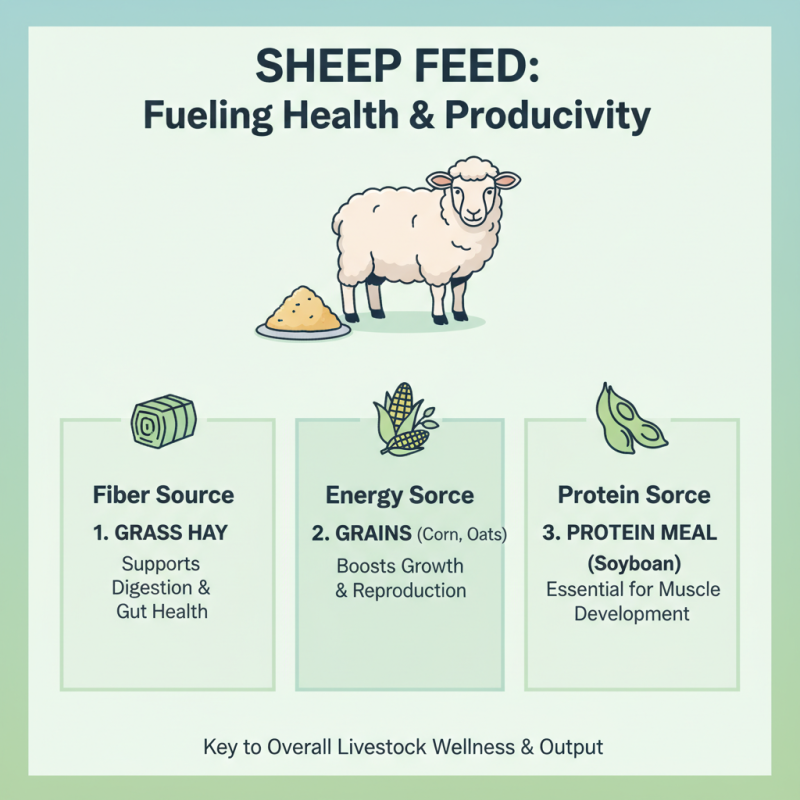
Sheep feed plays a vital role in overall livestock health and productivity. It's essential to carefully select ingredients that meet the nutritional requirements of sheep. Common components include grass hay, grains, and protein sources. Grass hay provides fiber, which supports proper digestion. Grains like corn and oats offer energy, crucial for growth and reproduction. Protein sources, such as soybean meal, are vital for muscle development.
Minerals and vitamins are often added to sheep feed. Calcium and phosphorus are critical for bone health. Vitamins A, D, and E support immune function and enhance overall vitality. It's important to balance these components in formulations. Too much grain can lead to digestive issues. On the other hand, insufficient protein may hinder growth.
Many farmers make mistakes when creating feed mixes. They might overlook forage quality or forget to adjust rations during different growth stages. Regularly evaluating feed formulations is essential. Observing sheep's health and growth allows for timely adjustments. Formulating sheep feed is not just science; it’s an art that requires continuous learning and adaptation.
Best Practices for Feeding Sheep to Enhance Livestock Productivity
Feeding sheep properly is crucial for their overall health. A well-balanced diet can boost growth and improve productivity. Sheep require specific nutrients for optimal results. Essential elements include
protein, fiber, and minerals. A diet lacking in these can lead to poor health.
Tips: Ensure the feed is fresh. Stale feed can lead to digestive issues. Monitor their eating habits. If they are reluctant to eat, it could signal a problem.
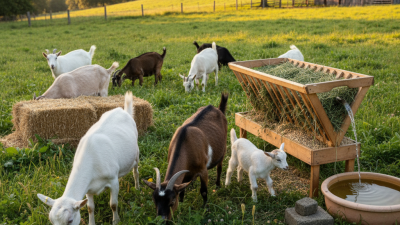
The quality of forage is also essential. Sheep thrive on high-quality pasture full of nutrients. Poor-quality forage won’t meet their needs. Supplementing with grains and minerals can help enhance their diet. It’s important to observe their reactions to changes in feed.
Tips: Introduce new feed gradually. Sudden changes can disrupt their digestive systems. Pay attention to their body condition scores. This helps gauge if their feeding regimen is effective. Monitoring these aspects can improve livestock productivity significantly.