How to Choose the Best Feed Store for Your Livestock Needs?
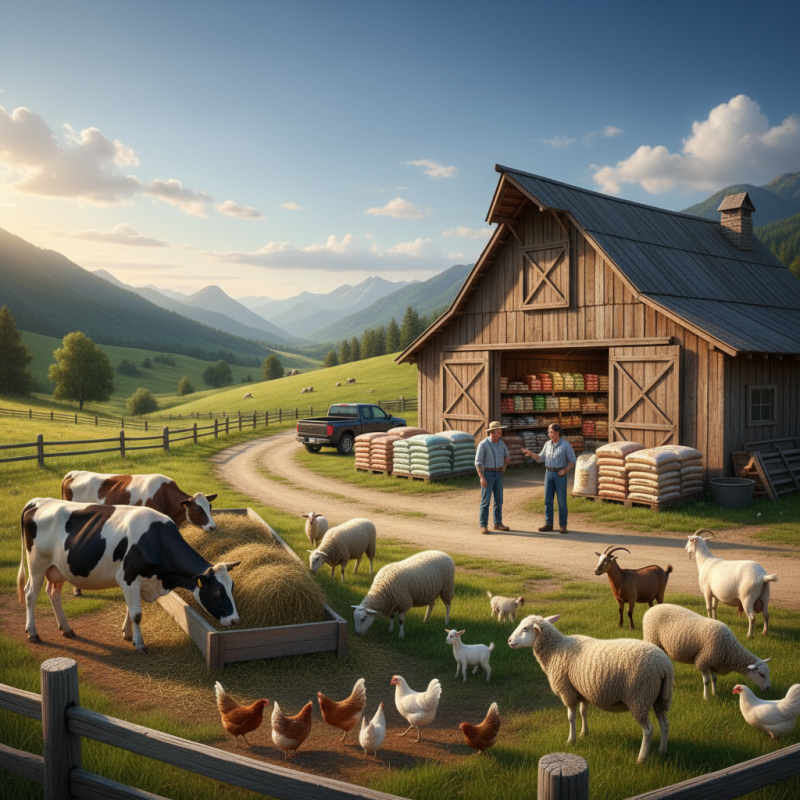
Choosing the right feed store is crucial for livestock owners. A quality feed store can influence the health and productivity of your animals. It’s not just about convenience; it's about finding the right nutrition.
Consider the variety of feed options available. A good feed store should offer a range of products tailored to different species. Think about the specific needs of your livestock; they may require special formulations. Engage with knowledgeable staff who understand these needs and can provide tailored advice.
Location matters too. A nearby feed store saves time and transport costs. However, you may need to explore further for better quality or selection. Reflect on your experiences. Have past choices met your expectations? Evaluate your local options carefully. Your livestock rely on these decisions.
Understanding Your Livestock's Nutritional Requirements
Understanding your livestock's nutritional requirements is crucial for optimal health and productivity. Different species have unique needs. For instance, cattle require 70% forage in their diet, while pigs benefit from higher protein levels. The right feed store can provide tailored nutrition solutions that reflect these needs.
Tips: Always ask about feed formulations. Know the nutritional values listed on the labels. Research shows that proper nutrition can reduce veterinary costs by 20%. Understanding the specific nutritional deficiencies in your animals can save you time and money.
Pay attention to feeding times and patterns. Animals thrive on routine. For example, poultry needs consistent feeding schedules to optimize egg production. Skipping feed or making last-minute changes can lead to stress and reduced yield. Consider these factors when choosing a feed store. Your choice impacts your livestock's performance directly.
Evaluating Local Feed Stores: Location and Accessibility
When selecting a feed store for livestock needs, location and accessibility are crucial. A recent industry report highlights that nearly 70% of livestock owners prioritize convenience when choosing where to buy feed. Proximity to your farm can save time and transportation costs. Evaluate how easily you can reach local stores. Inspect the routes for potential obstacles like heavy traffic or construction.
Accessibility also extends to the store's layout. A well-organized store can enhance your shopping experience. It’s not just about being close but also about how efficiently you can navigate the aisles. Consider visiting during off-peak hours for a more relaxed shopping trip. Studies show that farmers spend about 20 minutes on average in a feed store. If a store is congested, that time may stretch longer.
Tips: Check store hours before visiting. Some may not open early enough for your schedule. Ask about delivery options if transport is a concern. It can be a game-changer, especially for bulk purchases. Remember to observe staff responsiveness. Friendly, knowledgeable staff can be invaluable for your livestock needs. Don't hesitate to ask questions; it’s your right as a customer.
Comparing Feed Quality and Ingredients Among Different Stores
When selecting a feed store, comparing feed quality is crucial. Livestock relies on nutrition for health and productivity. A report by the American Association of Feed Control Officials (AAFCO) reveals that quality feed is essential for optimal growth in livestock. Quality ingredients improve overall animal performance.
Not all feed stores offer the same quality. Some may emphasize price over nutrition. Look for stores that provide detailed ingredient lists. High-quality grains, vitamins, and minerals should be included. Check if they source ingredients from reputable suppliers. Consider the specific needs of your livestock. For instance, cattle may require different nutrients than poultry.
**Tip:** Visit multiple stores and compare their offerings. Observing the storage conditions can also indicate quality. Poor storage often affects feed freshness.
A 2020 survey found that 32% of livestock owners expressed concern over feed quality. Animal health depends on what they consume, so focus on nutritional value. Ask questions about sourcing and formulations. What’s inside your feed matters as much as where it comes from.
**Tip:** Don't hesitate to engage with store staff. Their knowledge can guide you to better choices. Sometimes, smaller stores provide higher quality. Take time to research and reflect on your options.
Comparison of Feed Quality Across Different Stores
Assessing Customer Service and Support for Livestock Owners
Choosing a feed store is crucial for livestock owners. Customer service can make or break your experience. Many studies show that 70% of livestock owners prioritize service quality. A knowledgeable staff can answer your questions and guide you effectively.
When evaluating a feed store, observe the staff's responsiveness. How quickly do they address your inquiries? Are they friendly and attentive? Research conducted by the Livestock Industry Council indicates that 65% of customers are willing to pay more for excellent support. Reliable stores often have employees with industry-specific training.
Access to expert advice is vital. Some stores provide seminars and workshops. This is a chance to learn best practices. However, not all feed stores offer such support. You might find a store filled with products but lacking in knowledgeable staff. This mismatch can lead to poor livestock health. Seek a feed store that prioritizes training its employees. Educated staff can guide you in choosing the right supplements and feed.
How to Choose the Best Feed Store for Your Livestock Needs?
| Criteria |
Score (1-10) |
Comments |
| Customer Service Responsiveness |
9 |
Quick response and helpful staff. |
| Product Variety |
8 |
Wide range of livestock feeds and supplies. |
| Quality of Products |
9 |
High-quality feeds with good nutrition. |
| Pricing |
7 |
Competitively priced but slightly higher on some items. |
| Location Convenience |
10 |
Easily accessible from main roads. |
| Additional Services |
8 |
Offers delivery and custom feed mixing. |
Checking for Certifications and Compliance with Industry Standards
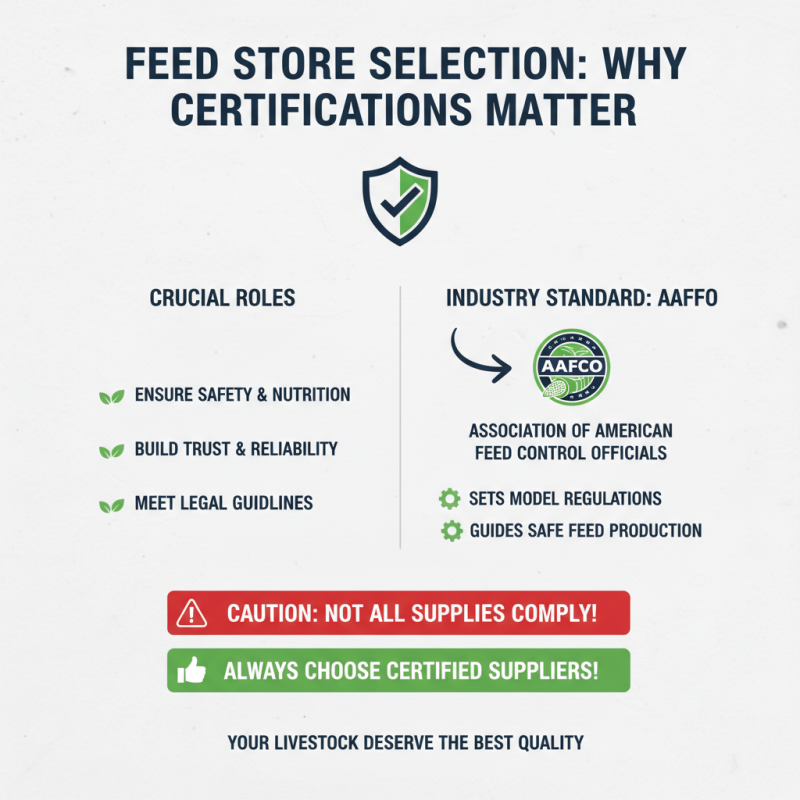
When selecting a feed store, certifications and industry standards play crucial roles. Many livestock feed suppliers must comply with guidelines set by organizations like the Association of American Feed Control Officials (AAFCO). AAFCO establishes model regulations to ensure that feed is safe and nutritious. Not all suppliers adhere to these regulations. This inconsistency can be alarming for farmers who depend on quality feed for their livestock.
According to recent industry reports, nearly 30% of feed products do not meet AAFCO's nutritional standards. This discrepancy poses risks to livestock health. Buyers should ask about certifications, like those from the USDA or state regulatory agencies. Stores with these certifications often prioritize quality and safety. However, some smaller feed stores may not have the resources to comply, leading to potential gaps in safety.
It is essential to visit potential feed stores in person. Look for cleanliness and proper storage of products. Examine ingredient labels and ask about sourcing. Some stores might have limited information. This lack of transparency can be a red flag. If a store seems reluctant to provide details, reconsider your options. Making informed choices fosters better livestock health and overall farm productivity.